Viewers may temporarily lose access to some TV and radio services over the Christmas holidays, due to weather conditions.
For a second consecutive Christmas, the BBC has issued an alert, warning viewers and listeners that weather conditions could impact festive TV and radio reception.
⬇️ Main points
Atmospheric conditions to affect TV, radio and potentially 4G/5G mobile signals.
Interference expected to peak on Boxing Day and Saturday 27th.
BBC advises against retuning.
An area of high pressure will create ideal conditions for TV and radio interference in the coming days.
In a statement, the BBC warned “these weather conditions can move and change, which makes it difficult to know where it will hit next. If your television picture starts to break up without warning this could be the cause of the problem.”
The issue is caused by a underlying atmospheric situation linked to high pressure called tropospheric ducting. This can cause signals from more distant transmitters to interfere with your local signal. As usage of the airwaves has intensified in recent decades to cater for an increase in TV, radio and mobile services, the problem has the potential to have a greater impact on viewers and listeners.
Tropospheric ducting can affect links between transmitters or directly affect your own TV and radio receiving equipment. In some cases, mobiles are also affected.
According to forecasts that monitor the troposphere, viewers and listeners in Eastern parts of the UK are expected to be the first to be affected, before the problems become more widespread into the weekend. The BBC issued a similar warning last Christmas, when southern England was most at risk.
Areas most prone to disruption can be predicted several days in advance. Ham radio enthusiasts also use forecast data to see how atmospheric conditions may enhance reception from distant places, another byproduct of tropospheric ducting. Interference often peaks at breakfast time and again in the evening.
Who is affected?
Affected services include:
- Digital Terrestrial Television (Freeview, plus Freely devices in hybrid mode)
- Digital Audio Broadcasting (DAB/DAB+)
- Analogue FM radio
Additionally, some 4G/5G services may be affected. All mobile networks now use a range of frequencies previously assigned to TV services. Mobile networks heavily rely on these frequencies to provide coverage in rural areas, as signals on these frequencies cover greater distances. Unfortunately they can be more prone to this type of interference, compared to other frequencies that have a much shorter range.
Who isn’t affected?
You are not affected if you use satellite or cable TV.
Streaming is also not affected, unless you are reliant on a 4G/5G connection impacted by interference.
What does the interference look or sound like on TV, radio or mobile?
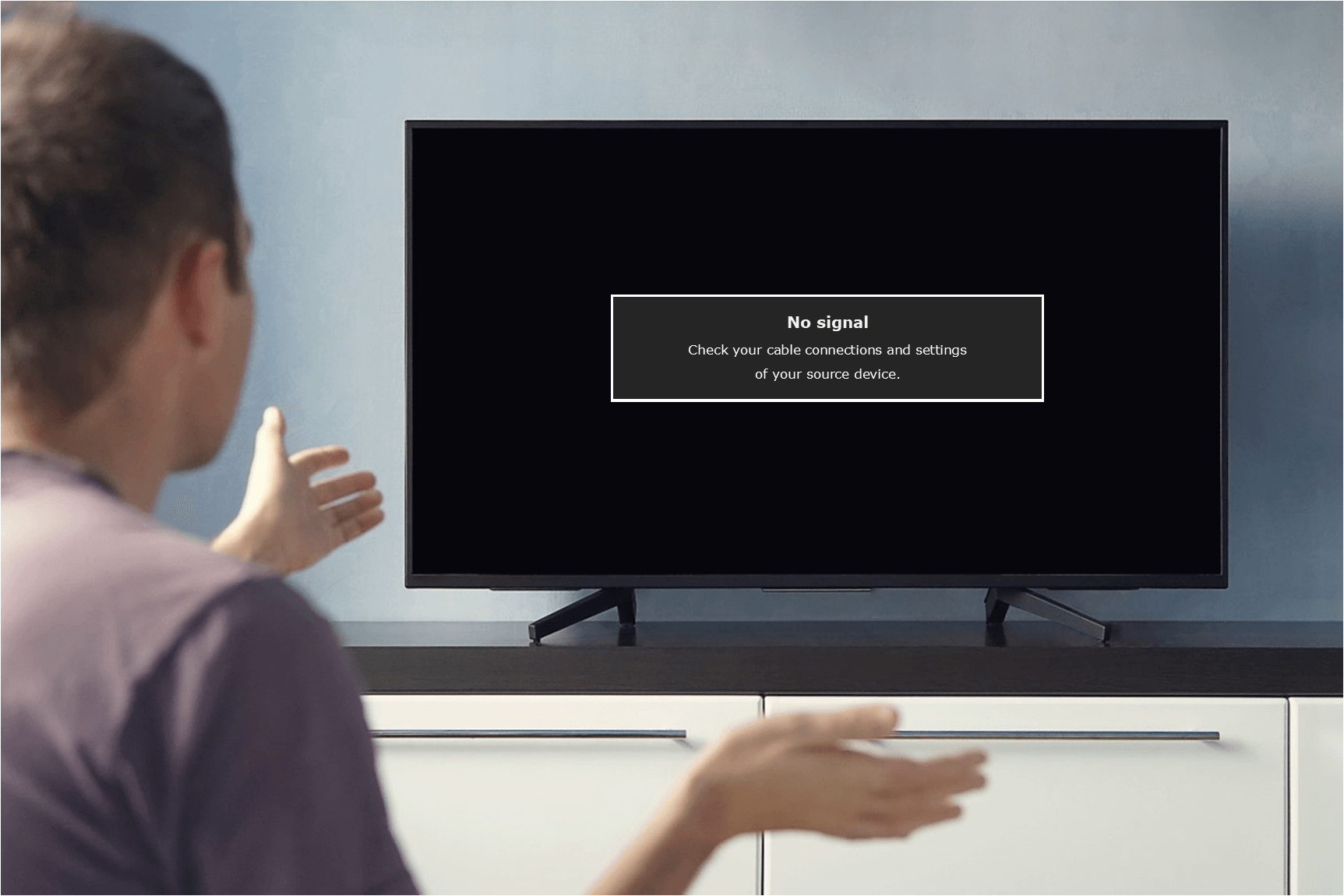
On TV, you may see pictures breaking up or becoming pixilated. This may be accompanied by audio glitching. In some cases, the interference will steadily get worse and you’ll see a no signal message.
On FM radio, you may hear another radio station on top of your normal station. In some circumstances, you may be able to hear stations from a different region of the country or from overseas.
On DAB digital radio, you may experience frequent audio glitches, or a complete loss of service, which may vary from a few seconds to a few minutes. Some digital radio stations using an older broadcast standard are also prone to a sound effect that is likened to the sound of “bubbling mud”.
On 4G/5G mobile connections, your mobile signal may fluctuate more than usual. Your internet may become slow or unreliable. If you are based near the North Sea, Irish Sea or English Channel coast, your mobile phone is at increased connect to a foreign network. That’s because the atmospheric conditions can amplify an already existing issue that makes the signal from foreign or maritime networks in some locations temporarily stronger than your local network signal.
What should I do if I’m affected?
The BBC advises against retuning your TV. The signal will return when atmospheric conditions change. If you have retuned, you’ll probably have to retune again later to restore services.
In the meantime, you can live stream or catch-up on programmes via the relevant broadcaster’s streaming app.
For DAB services, the same principle applies.
However, some radio stations may offer different versions of the same service on different multiplexes. You’ll be able to see this if you have the same station name listed multiple times in your station list. Different versions may be less impacted (but may carry different regional content). Whether this is an option is dependent on your location and which frequencies are getting the most interference.
On analogue FM radios, you may be able to find a clearer copy of the station by moving the dial (or on digital tuners, including car radios, doing a bandscan.) This typically applies only to national networks that are carried on multiple frequencies.
What are my options if I frequently have problems with my BBC/Freeview signal?
Many homes rely on TV aerials that have been on the roof or in the loft for decades.
Changes to frequencies during digital switchover and subsequent frequency clearance events (when services were moved to free up space for 4G and 5G mobile) mean some aerials are no longer optimised for the frequencies now used by Freeview in your area.
Some viewers may have incorrectly installed amplifiers which may boost interference.
And in some locations, 4G and 5G mobile services may interfere with Freeview reception, especially where a filter is not installed.
A local aerial installer can advise on whether your installation is still correct for your location.
Online platforms including Sky Stream, EE TV or Freely provide a modern alternative to Freeview. In more rural areas with poor broadband coverage, Freesat provides over 99% UK coverage of all major free-to-air channels.
By: Marc Thornham